How a race is won
HOW A RACE IS WON
What separates the teams finishing at the front of the fleet from the ones trailing at the back? There are multiple aspects which give teams the racing edge. Put this knowledge to your advantage when placing your bets!
The start
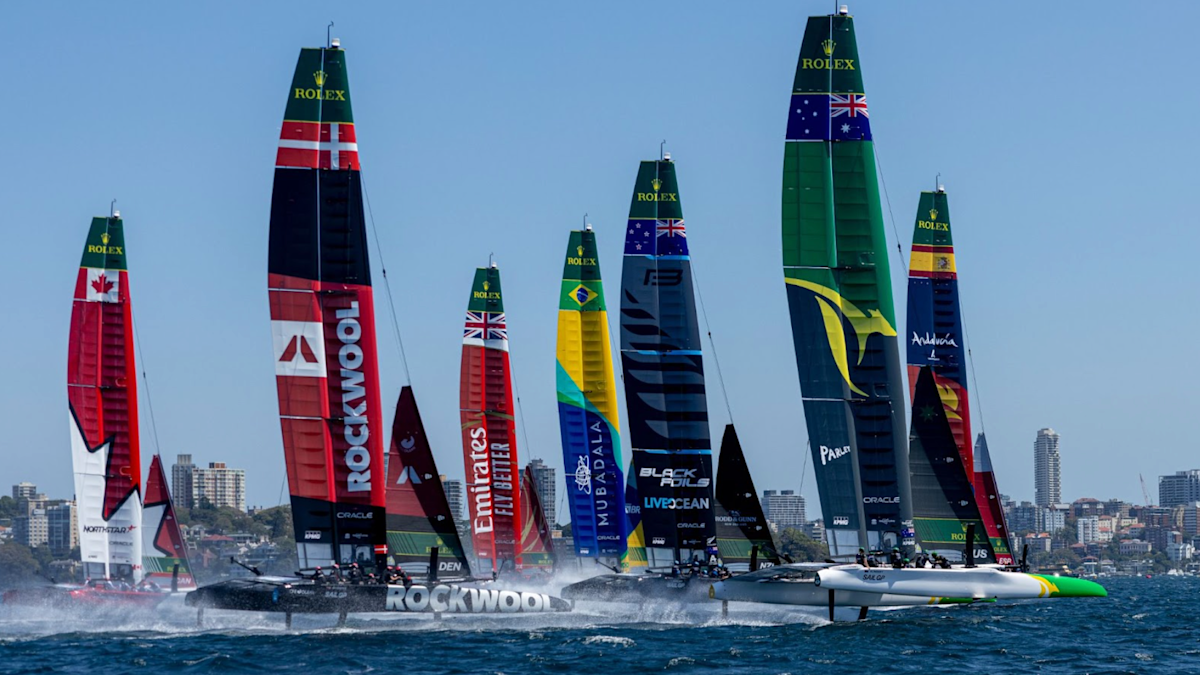
As with all racing sports, the team which makes a great start sets itself up for success. The best starts in SailGP are measured across four metrics; crossing the start line as soon after the gun as possible, being as close to the start line at the gun, crossing the line at maximum speed, and gaining the all-important inside line to Mark 1. Whichever team reaches Mark 1 first has a distinct advantage. With clear air and space on the racecourse, this team is free to make its decisions unencumbered by other teams, stretch ahead and leave the rest of the fleet behind. Teams which reach Mark 1 first are much more likely to pick up a podium finish.
Key to hitting all four of these metrics is teams’ ability to manage time, speed and distance. Electronic displays on board the F50s tell athletes how much time is left until the start, as well as their own F50’s speed and distance from the line. But much of making a promising start boils down to pure instinct and experience.
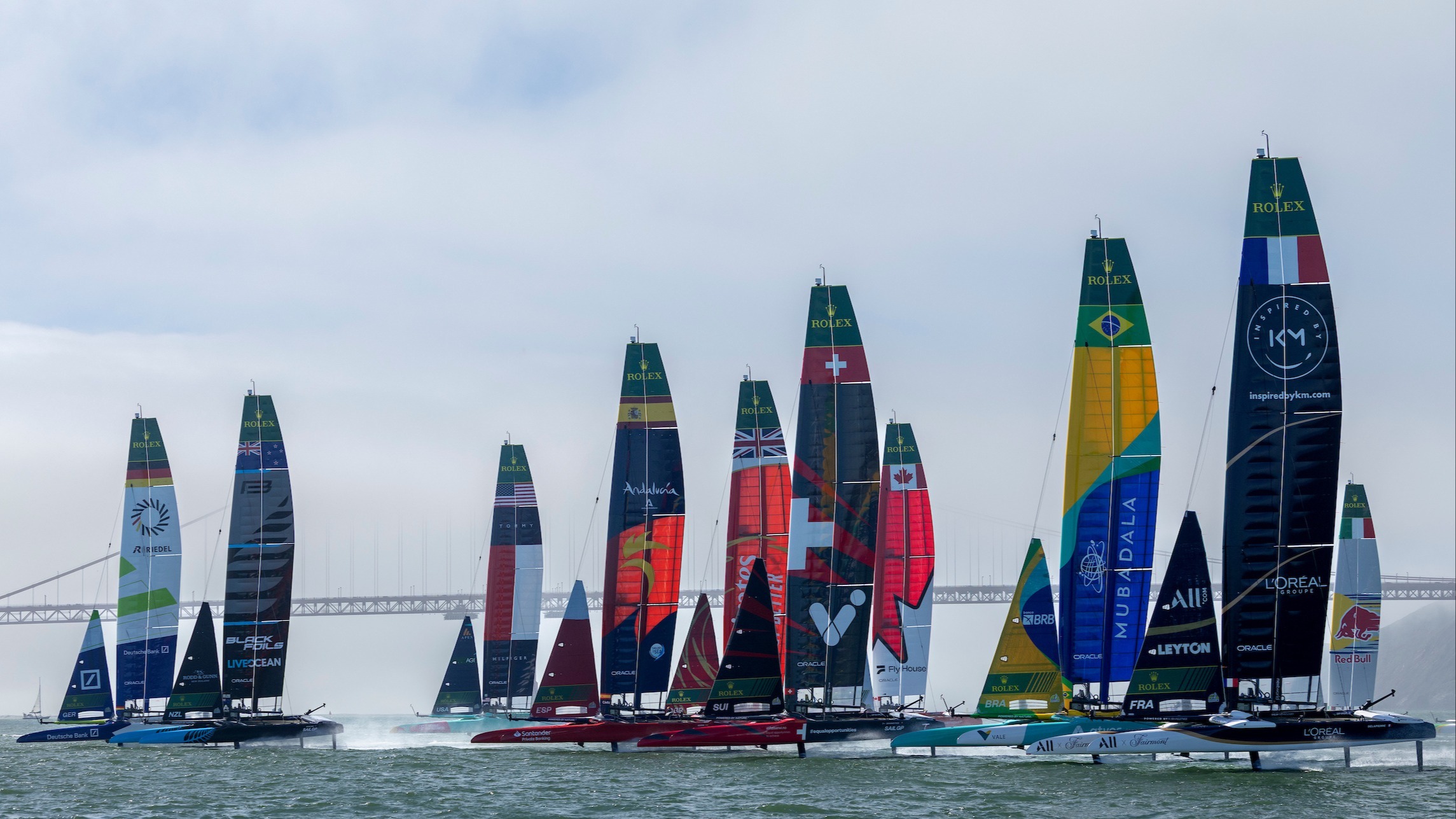 Betting tip: On the broadcast, the Rolex Pole Predictor (recognizable as a blue arrow) shows the best place for teams to cross the start line to be in with a chance of reaching Mark 1 first. Sometimes the best position is towards the top end of the starting box, others it’s further down.
Speed and distance
After the start, teams begin the laps up and down the track according to the wind direction (upwind and downwind legs). The teams which minimize the distance sailed and maintain the highest average speeds are more often able to stretch ahead or overtake teams to get to the front of the fleet.
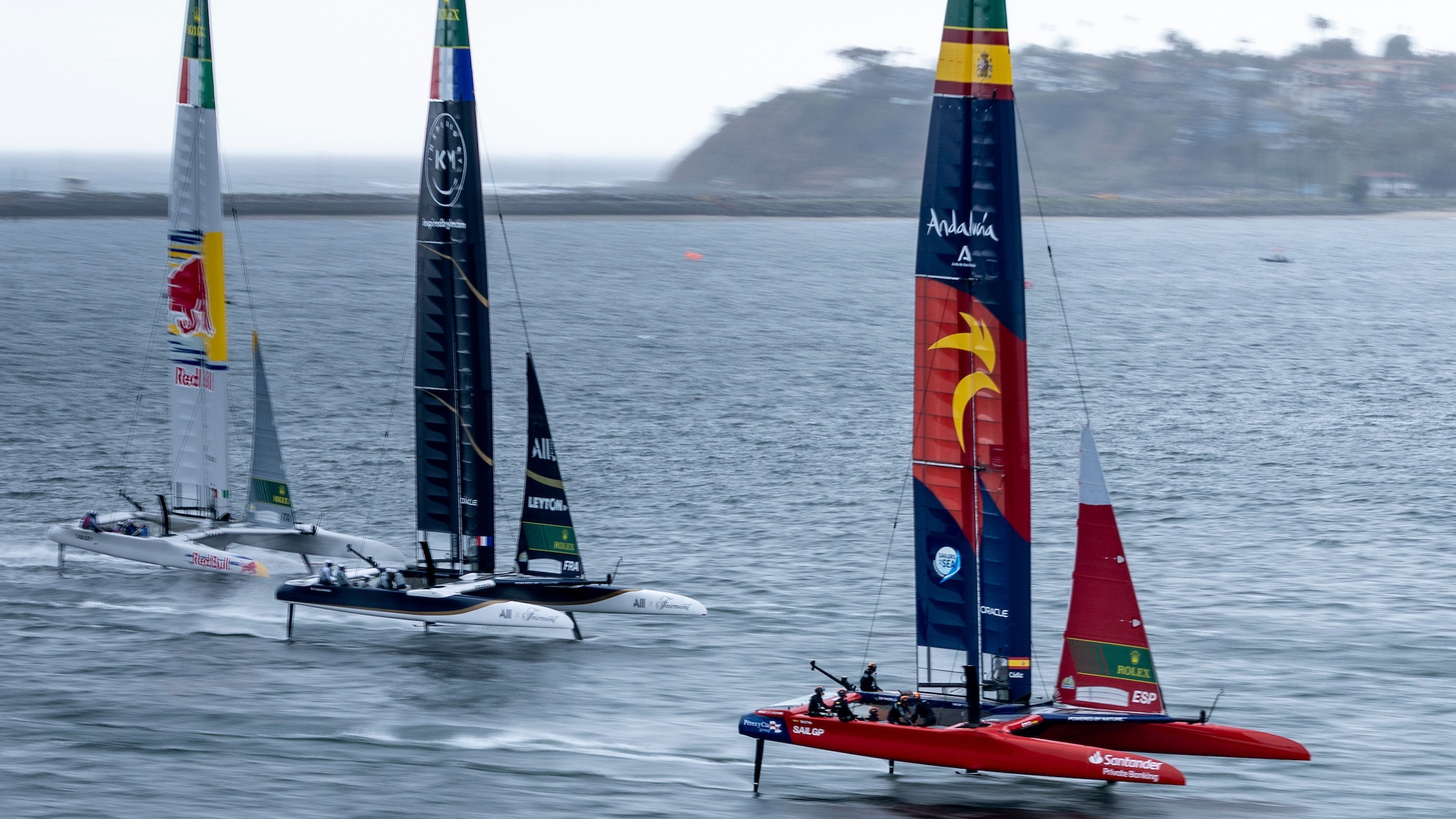 Picking up the highest average speed comes from the team’s ability to find the breeziest parts of the course and fly smoothly on the foils. Subtle differences in how teams set the wings, steer the boat and operate the foils can result in significant speed differences. Peak speeds are fun to watch out for – but consistency across as multiple metrics is what wins races.
Betting tip: Look out for the teams who have a knack for finding the pockets of breeze around the course. Each one is a potential passing lane or the chance to stretch away from the rest of the fleet.
Play the wind
Predicting variations in wind direction and strength can shorten the distance a team needs to sail to get from one gate to the next – handing them a distinct advantage. The more capacious the conditions, the more shortcuts can be found, but the trickier it is to find them. In steadier breeze, it’s more of a drag race.
Traffic management
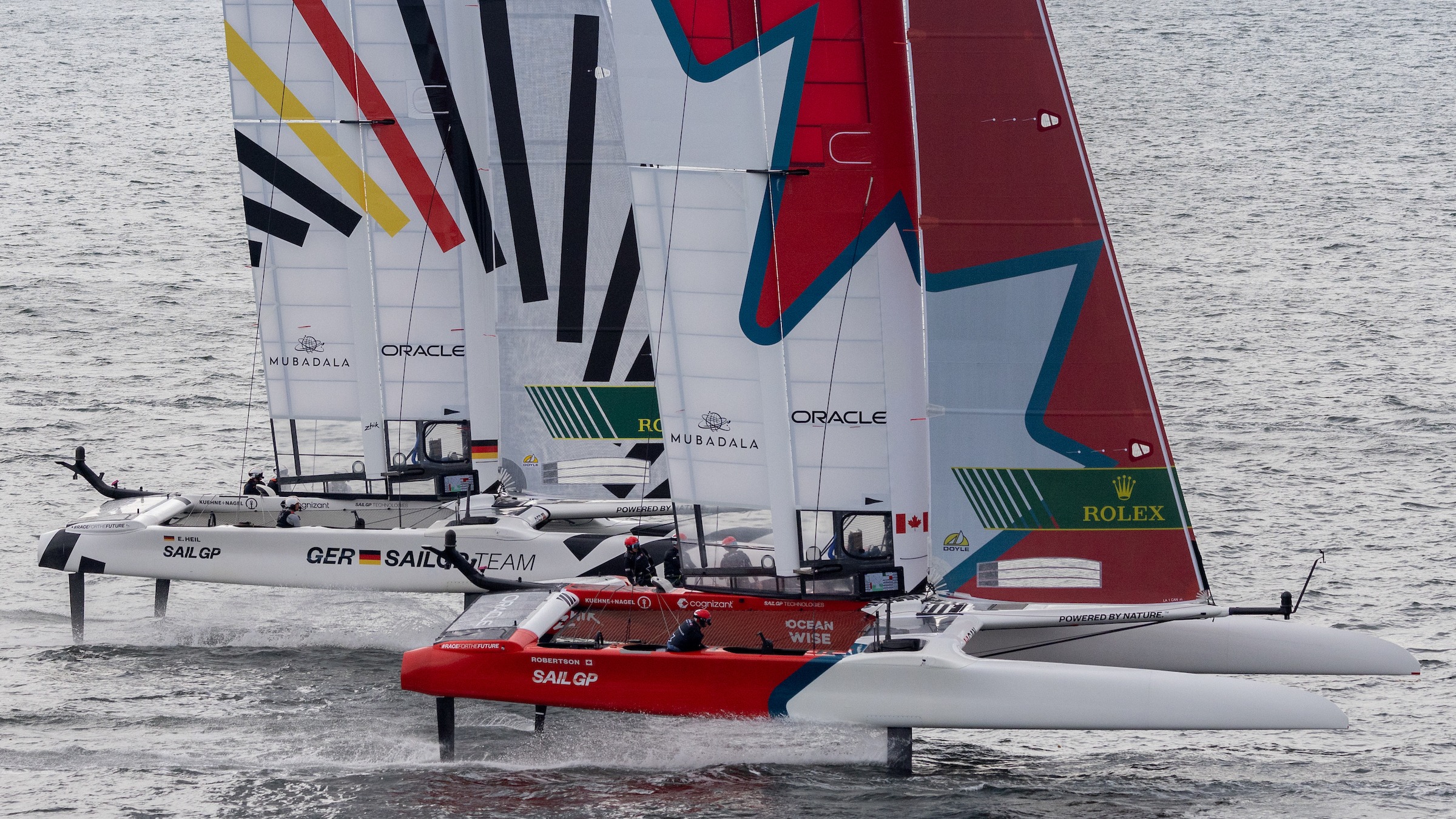
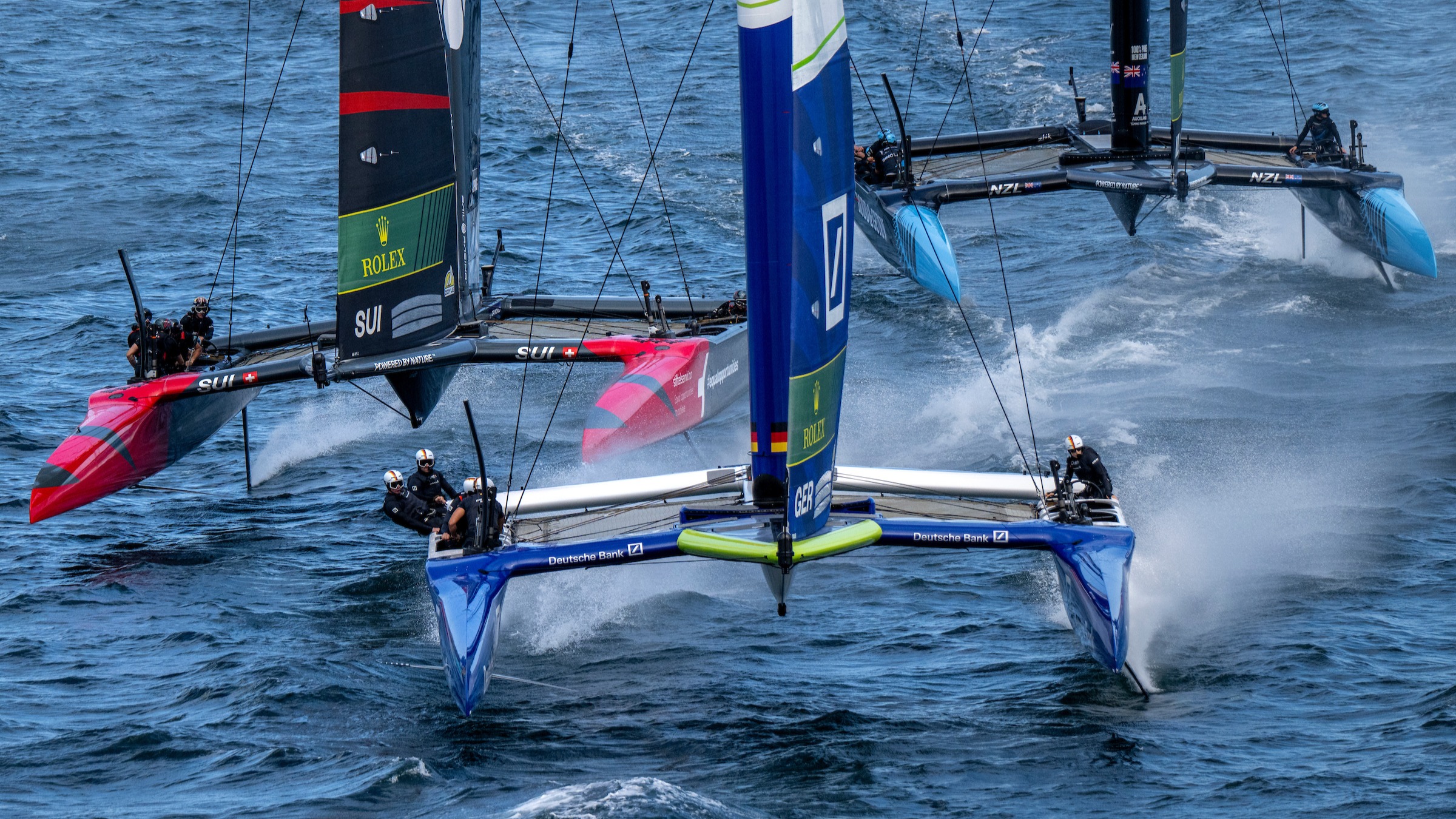
The team at the front of the fleet has a blank racecourse and is free to make the maneuvers they want, when they want. The teams following however, must constantly adjust their strategies and tactics depending on the behavior of nearby competitors.
 Picking up a penalty by infringing another team or going beyond the racecourse boundary will ultimately slow teams down, as will sailing in the ‘dirty air’ created by other teams. To get ahead, the driver and strategist must work together to pinpoint opportunities around the racecourse while trying to anticipate the behavior of other teams.
Smooth maneuvers
Maneuvering an F50 is a whole team effort – with adjustments made to the wing, foils and rudders in one fluid movement before the athletes sprint across the F50. Smoothly executed maneuvers have little effect on the F50’s speed, but sloppy maneuvers can result in the F50 falling off the foils and even nosediving, resulting in teams losing all speed or even coming to a complete standstill mid-race.
Splitting the course
At each gate, teams face the decision to make a right or left hand turn before proceeding back up the racecourse. Gates provide trailing teams the option to split away from a competitor and look for an overtake opportunity on the next leg, gambling on better breeze on the other side of the course.
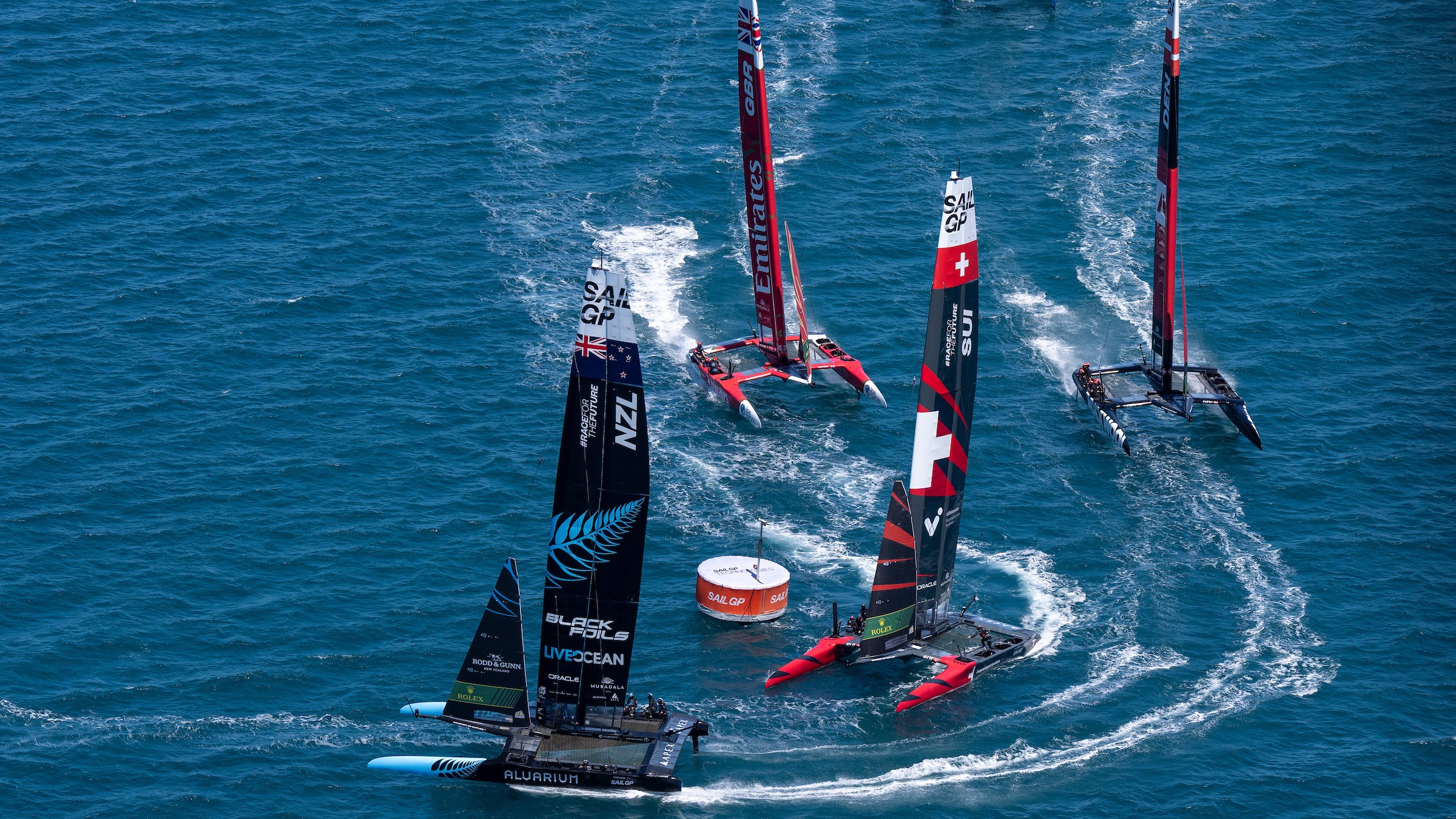 Betting tip: Splitting away doesn’t always pay off. Sometimes teams find themselves even further behind the fleet, but the decision to split is a sign the team is willing to roll the dice.
Starting points for our US readers
Starting points for our UK readers
Starting points for our Global readers
SailGP at Prediction Market Sites
Our Most Recent Articles for October 2026