What is SailGP – and how does it work?
What is SailGP – and how does it work?
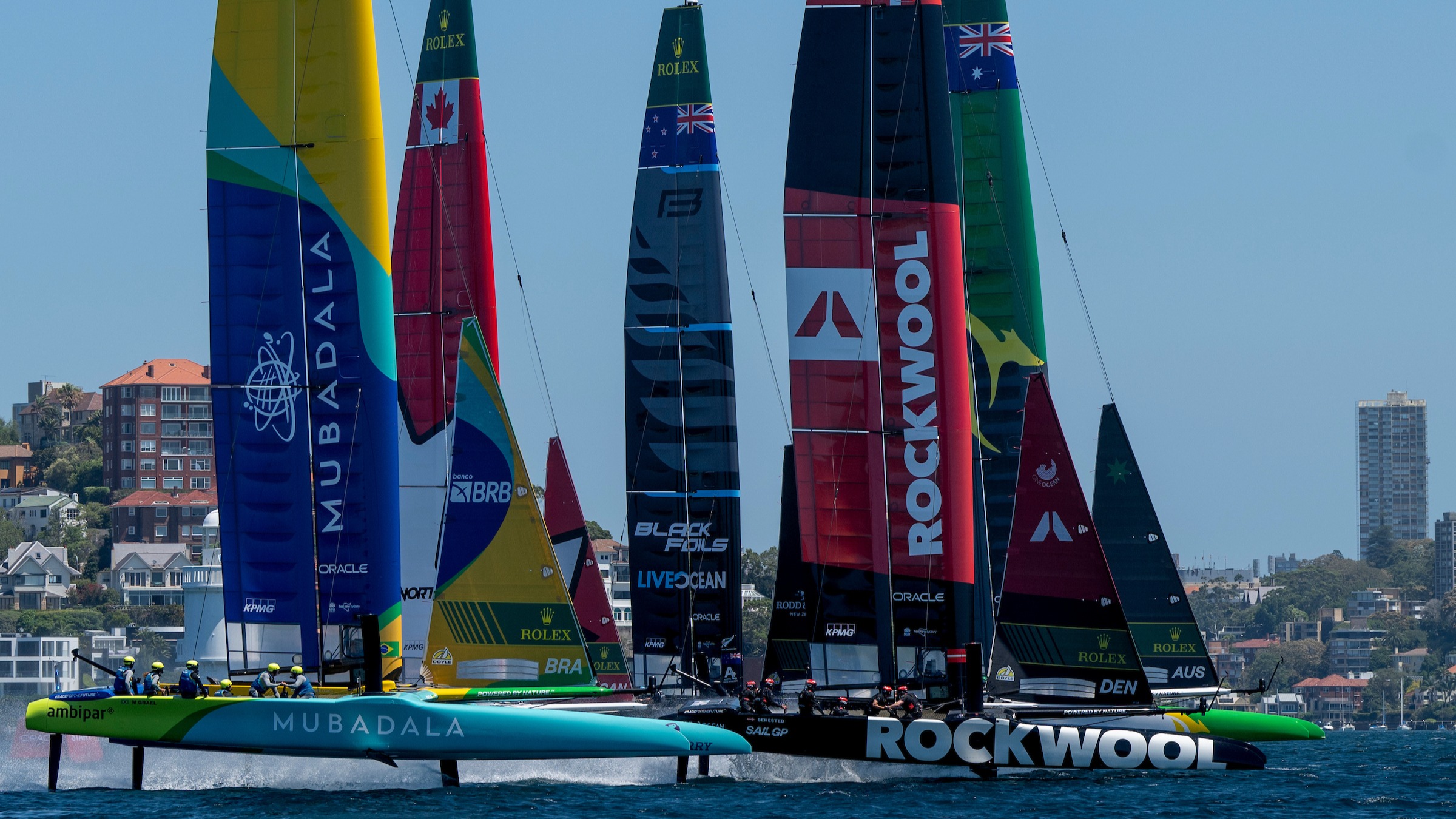
The Rolex SailGP Championship combines cutting-edge tech, iconic global venues, elite athletes and record-breaking speeds to create the most exciting racing on water. Rival teams from Australia, Brazil, Canada, Denmark, France, Great Britain, Germany, Italy, New Zealand, Spain, Switzerland and USA battle it out at iconic venues around the world in short, intense races for a total prize pot of $12.8 million. Teams compete in identical hydrofoiling F50 catamarans that fly above the water at electrifying speeds of over 100 km/h.
The format
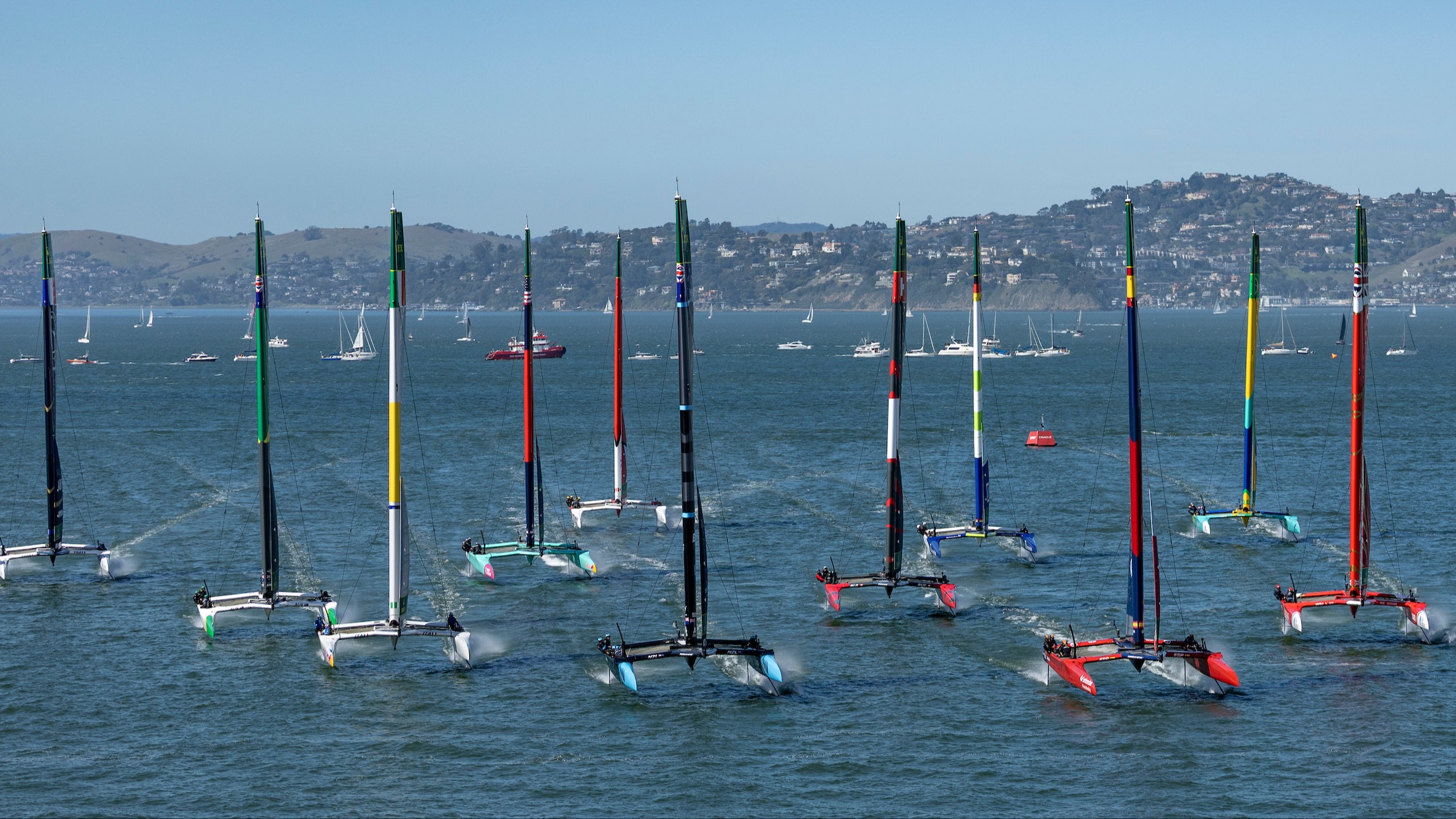
Each SailGP event – known as a sail grand prix – is a two-day competition staged at iconic venues around the world – from New York to Rio de Janeiro. Seven fleet races take place with the full F50 fleet – four on day one and three on day two. After the final fleet race, the leaderboard is recalibrated and only the top three ranked teams proceed into the winner-takes-all Final to determine the event winner.
The Rolex SailGP Championship

The ultimate goal of each team is to win the Rolex SailGP Championship. The Championship is decided at the Grand Final where the top three teams in the season rankings qualify for the three-boat shootout. The finishing order of this final race determines the winner of the Rolex SailGP Championship – with the winning team taking home $2 million.
Fleet racing
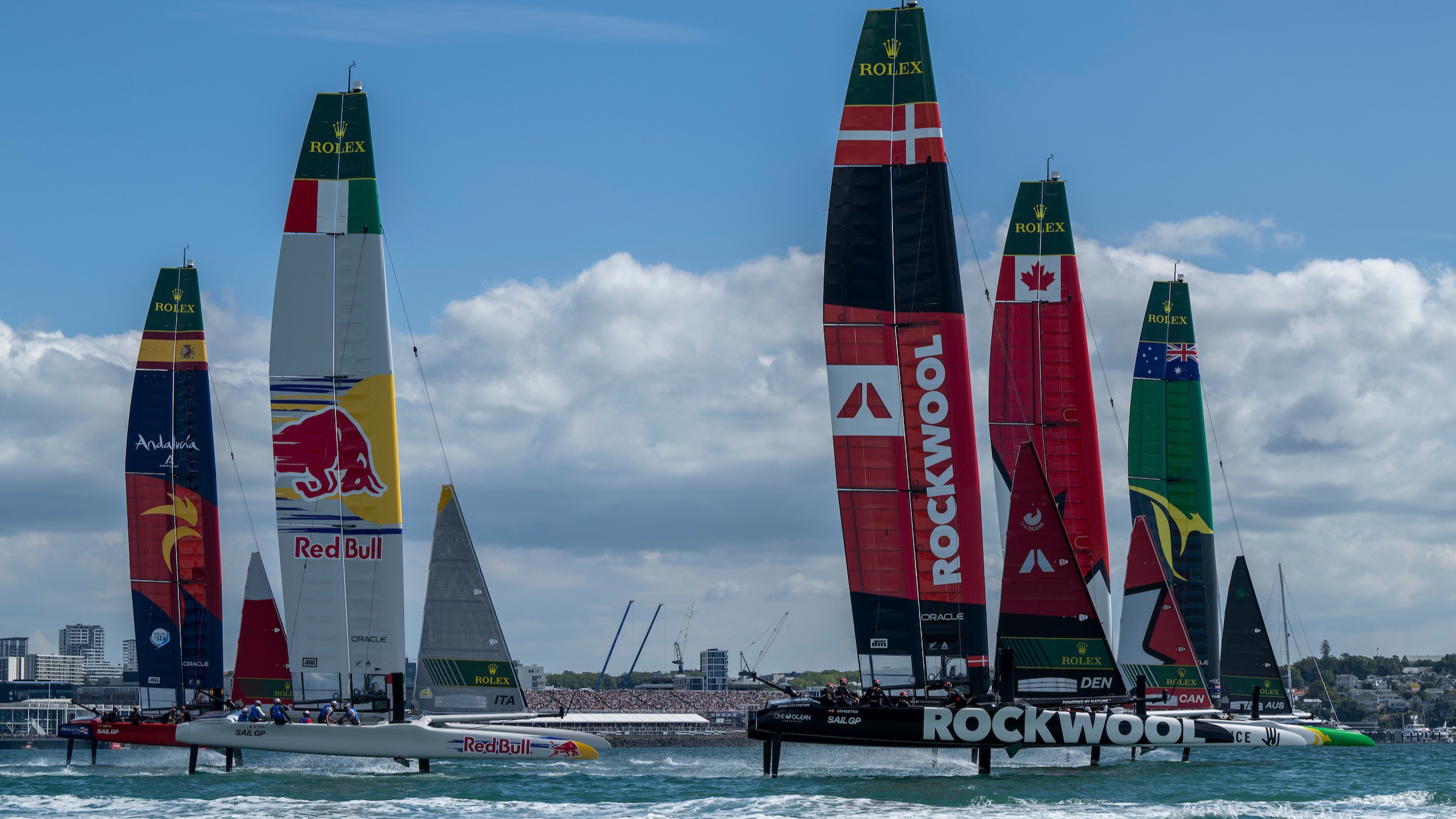
Each fleet race kicks off with a timed start. Teams move into the start box with one minute to go and jostle for position as they prepare to accelerate across the line as the starting gun fires. The first leg of a race sees the full fleet sprint to Mark 1, hitting speeds of over 90 km/h in the right conditions. Races last around 15 minutes from start to finish and comprise multiple laps around a course aligned with wind direction. Course boundaries keep the action close and passing lanes open. After completing the set number of racecourse laps, the teams turn around the final mark and sprint to the finish.
The rules
With a 12-strong F50 fleet flying at speeds approaching 100 km/h on tight racecourses around the world, SailGP’s racing action can get fast and furious. Penalties are a crucial way of ensuring the racing stays fair and equal for all teams, with offending teams punished for infringing the rules. A team of umpires located in SailGP’s broadcast studio in London uses a high-tech GPS tracking system to monitor the fleet at all times. The umpires dish out and announce penalties live during racing, the majority of which require a team to fall behind the team it fouled or drop a distance of 20 meters. To help out fans, a green circle will surround the right-of-way boat, while a red circle will enclose the team which must keep clear.
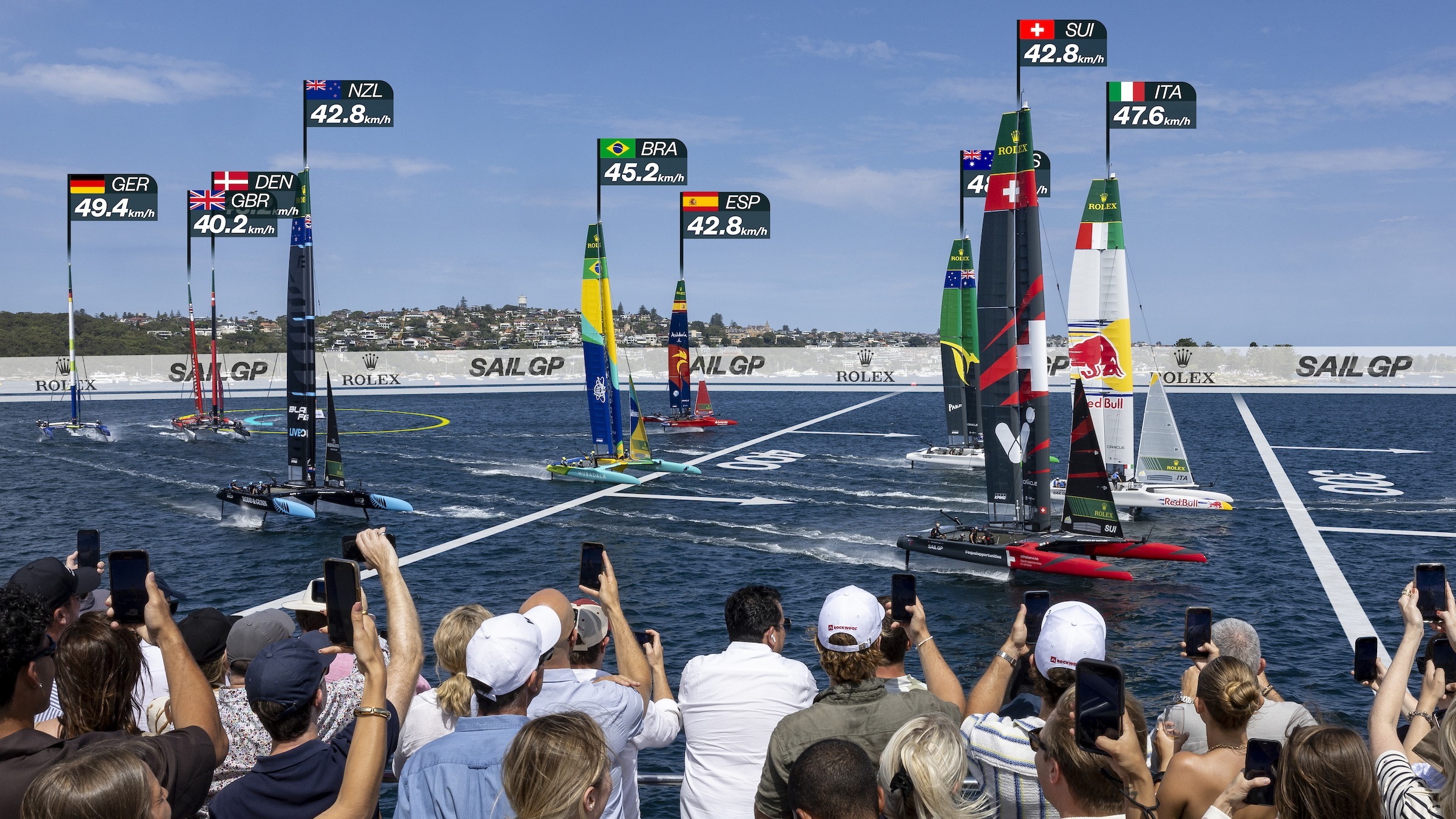
While the rules are designed for safety, it’s not uncommon to see teams use them to their advantage. They might force an opponent into a situation where they foul another team or are forced to avoid a collision at the last moment. This is all part of the game.
Starting points for our US readers
Starting points for our UK readers
Starting points for our Global readers
SailGP at Prediction Market Sites
Our Most Recent Articles for October 2026